
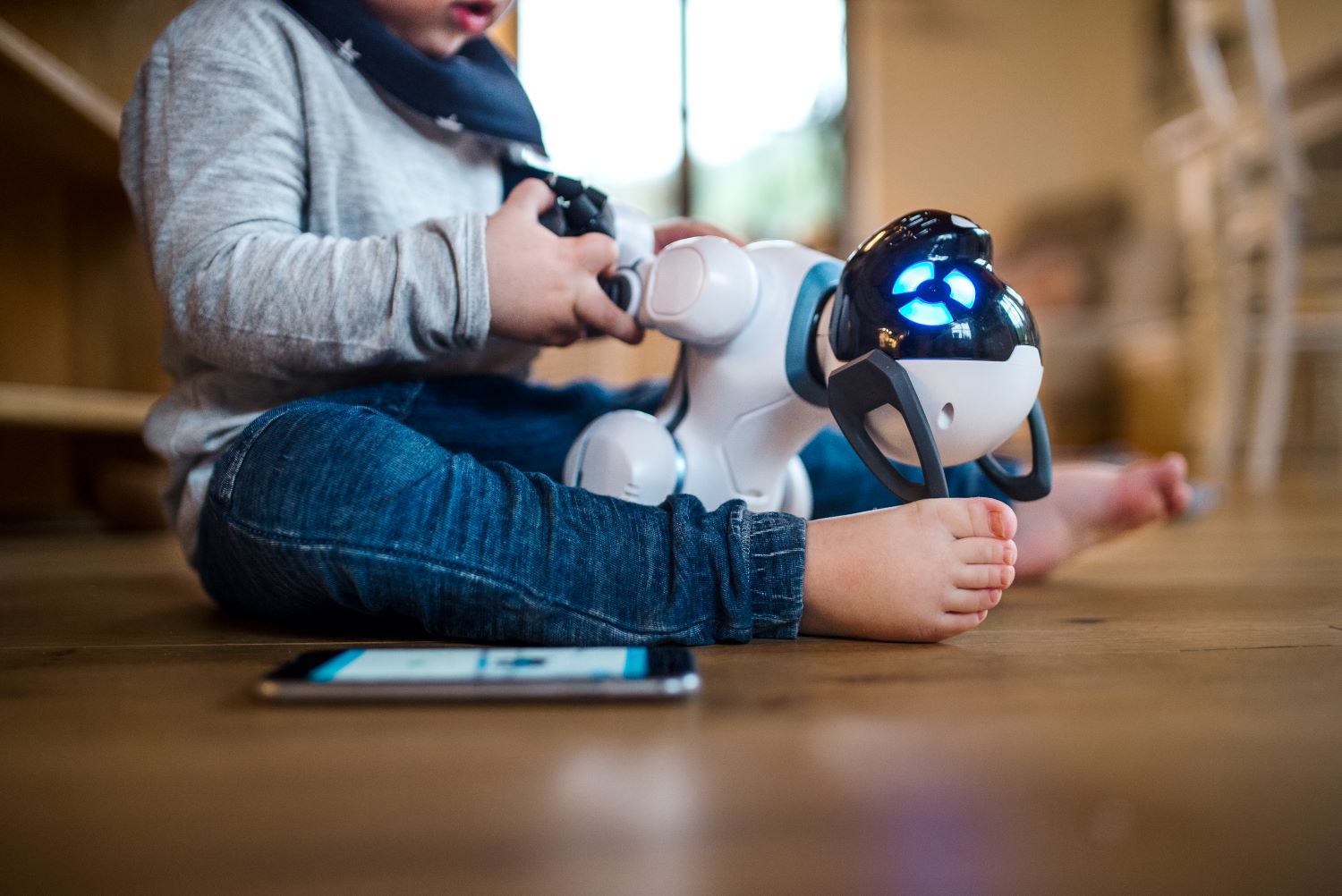
The emergence of educational toys that incorporate advanced technology is significantly transforming the methods by which children learn and engage in play. These innovative toys not only captivate young minds but also promote their development through interactive learning experiences. This discussion will explore the various benefits of these educational toys, particularly their role in fostering creativity and critical thinking skills. We will examine different types of educational toys, ranging from robotics to coding tools, and provide valuable guidance on selecting the appropriate toy for a child. Factors to consider will include age appropriateness, safety, cost, and maintenance requirements. This analysis aims to illuminate the exciting intersection of technology in education and play.
Explanation of Artificial Intelligence Integration in Toys
The integration of artificial intelligence (AI) into educational toys represents a significant advancement in the field of interactive learning. These innovative products utilise machine learning algorithms and adaptive technologies to enhance cognitive development in children. By leveraging AI capabilities, these toys can offer personalised educational experiences, stimulate creativity, and promote critical thinking skills through gamification and engaging, play-based learning methodologies. This technological adoption give the power tos young learners by adapting to their individual strengths and weaknesses, thereby allowing for customised educational pathways. As children interact with smart toys, they benefit from a dynamic learning environment where content adjusts in real-time to sustain interest and appropriately challenge them. Educational technology tools enhanced with AI not only stimulate curiosity but also foster collaboration among peers, thereby nurturing social skills in tandem with academic growth. The role of AI in contemporary child development is crucial; it transforms passive learning into an active exploration, fostering a lifelong love of learning.
Benefits of Educational Toys with Artificial Intelligence
The advantages of educational toys integrated with artificial intelligence are significant, as they not only support the development of cognitive skills but also promote personalised education that caters to each child’s unique learning pathways and styles. These intelligent toys enhance engagement by providing adaptive learning experiences, thereby fostering creativity, critical thinking, and problem-solving abilities in young learners.
Enhancing Learning and Development
Educational toys that incorporate artificial intelligence significantly enhance learning and development by creating immersive environments that adapt to the specific needs and interests of children, thereby fostering cognitive engagement and facilitating holistic growth. These intelligent toys utilise data analytics and feedback systems to adjust educational content in real-time, ensuring that learning remains both challenging and enjoyable. These AI-driven toys are designed with user-centric principles to promote personalised learning experiences tailored to each child’s unique pace and preferences. By integrating features that encourage critical thinking and problem-solving, they not only assist children in grasping complex concepts but also inspire a passion for exploration and discovery. Furthermore, these toys focus on enhancing emotional intelligence by providing interactive scenarios where children learn to navigate social cues and collaborate effectively with their peers. Importantly, with built-in screen time management, these toys ensure balanced usage, promoting a healthy blend of digital engagement and hands-on activities that are essential for comprehensive child development.
Types of Educational Toys with Artificial Intelligence
There exists a wide variety of educational toys that effectively incorporate artificial intelligence, each specifically designed to enhance different facets of a child’s learning experience while promoting engagement and developing essential skills. From robotics that impart programming knowledge to interactive learning toys that utilise augmented reality and gamification, these technological innovations are transforming the realm of educational play.
Interactive Learning Toys
Interactive learning toys that incorporate artificial intelligence offer an engaging platform for children to explore various subjects through gamification and immersive experiences, thereby enhancing both user experience and educational outcomes. By leveraging AI-driven feedback, these toys can assess children’s progress and adapt challenges to address individual learning needs, making education both enjoyable and effective.
These innovations manifest in various forms, including:
- Smart building blocks that respond to a child’s interactions
- Robotic coding kits that translate abstract programming concepts into tangible learning experiences
- For example, coding robots are designed to teach problem-solving and logical reasoning while aligning with educational standards in computational thinking. Additionally, tablets equipped with educational applications can monitor proficiency in subjects such as mathematics and reading, offering tailored exercises that adapt to the learner’s skill level. Such personalised educational tools not only cultivate critical thinking skills but also prepare children for a technology-driven future, thus redefining the role of technology in contemporary education.
Robotics and Coding Toys
Robotics and coding toys represent a compelling intersection of play and education, introducing children to programming skills and STEM concepts through hands-on learning experiences. These toys enhance critical thinking and problem-solving abilities while promoting collaborative learning and engagement in an increasingly digital landscape. In this era of innovation, such products are essential for nurturing future skills, as they prepare children to thrive in technology-driven environments. For instance, platforms such as LEGO Mindstorms and Osmo provide interactive experiences that combine creativity with technical knowledge, enabling young learners to construct and programme their own robots. Coding kits, such as those offered by Code.org, render learning accessible and engaging, transforming digital play into a robust foundation for the development of critical skills. By integrating these advanced tools into their playtime, children cultivate not only technical skills but also confidence and resilience—traits that are vital for the innovators of tomorrow.
Considerations for Choosing Educational Toys with Artificial Intelligence
When selecting educational toys that incorporate artificial intelligence, several critical factors must be considered, including age appropriateness, toy safety, cost, and maintenance. It is essential for parents and educators to evaluate these elements to ensure that the selected technology-driven toys not only promote learning but also align with developmental milestones and adhere to safety standards.
Age Appropriateness and Safety
Understanding age appropriateness and safety is essential when selecting educational toys equipped with artificial intelligence, as these factors determine the suitability of such toys for various developmental stages in a child’s growth. Ensuring that toys adhere to safety standards and are designed for specific age groups can significantly enhance the overall educational experience while supporting healthy cognitive and emotional development. Selecting toys that correspond with a child’s emotional and psychological needs not only fosters effective learning but also contributes to the development of emotional intelligence. Given that children interact with their toys in ways that reflect their understanding of the world, choosing items that stimulate curiosity and problem-solving skills is vital in shaping their experiences and knowledge base. Adhering to established safety regulations provides parents with the assurance that the toys they select will be both safe and beneficial. This creates an environment where children can explore, learn, and grow without unnecessary risks.
Cost and Maintenance
Cost and maintenance considerations are essential when selecting educational toys featuring artificial intelligence. The investment in such technological toys should be carefully weighed against their long-term value and usability. By understanding market trends and effectively allocating resources, parents can make informed decisions regarding the most suitable educational tools that combine quality and affordability. Parents should also evaluate how these toys align with their overall budget, factoring in additional expenses such as software upgrades and repairs. Exploring budget-friendly options often entails seeking brands that offer versatile toys designed for durability, thereby minimising the need for frequent replacements. As consumer behaviour increasingly favours sustainable purchases, opting for toys manufactured from eco-friendly materials can further enhance the value of long-term play. Additionally, being aware of sales trends can present opportunities to acquire high-quality AI toys at reduced prices, ensuring that educational play remains both enjoyable and financially sustainable.
